
"Colombian Coffee Federation"
300 article(s) found

Rich aroma of Colombian coffee flavor manor area introduction to Lazmus manor
Compared with other producing countries, Colombia is more concerned with developing products and promoting production. It is this, coupled with its superior geographical and climatic conditions, that makes Colombian coffee excellent in quality and delicious and famous all over the world. The status of coffee in Colombia is evident in the following example: all vehicles entering the country must be sprayed and sterilized so as not to inadvertently cause disease and damage coffee trees.

Introduction of Coffee Flavor description and treatment method in Santa Rita Manor, Colombia
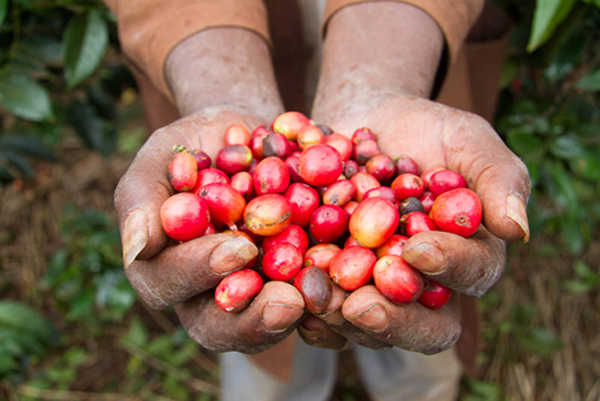
The main varieties of Colombian coffee are Arabica coffee (coffea arabica), that is, small fruit coffee (small grain coffee). Relatively speaking, large fruit coffee (coffea robusta) is mostly grown in Africa of origin, such as the famous Madagascar coffee. There are several varieties of small fruit coffee. Brazilian coffee, which has the highest yield in the world, has large seeds, strong adaptability and high fruit yield.

Colombia Snow Mountain Coffee Bean and Pressed Garden Coffee Bean Flavor Description Grinding Scale Variety Introduction
Colombia Snow Mountain Coffee Bean and Pressed Garden Coffee Bean Difference Flavor Description Grind Scale Variety Introduction With superior geographical and climatic conditions, Colombia coffee has maintained a high quality. Colombia coffee beans, which usually do not have a special market brand name, come from the Colombia national federation of coffee growers

Description of the Flavor of Columbia Nana Linglong Coffee A brief introduction to the characteristics of varieties in producing areas
Compared with other producing countries, Colombia is more concerned with developing products and promoting production. It is this, coupled with its superior geographical and climatic conditions, that makes Colombian coffee excellent in quality and delicious and famous all over the world. The status of coffee in Colombia is evident in the following example: all vehicles entering the country must be sprayed and sterilized so as not to inadvertently cause disease and damage coffee trees.

Columbia Linglong Coffee Bean Flavor description method Variety characteristics Grinding scale Manor introduction
Columbia Linglong Coffee Bean Flavor description processing method Variety characteristics Grinding scale Manor introduction Nalinglong Province is closer to the equator, about one degree north latitude, with plenty of light throughout the year; the elevation is more than 1600 meters, and there are many snow peaks all the year round. Steep mountains and long and steep slopes bring a warm and diverse climate, and the warm and humid air rising from the canyon makes coffee grown at high altitude.

Introduction to the Flavor description Grinding scale of Columbia Jindio Coffee Bean Variety characteristics
Colombian Jindio Coffee Variety characteristics Regional treatment Flavor description Grinding scale introduces the pure taste of Colombian coffee, in addition to the natural environment with the most favorable conditions for coffee growth, it is inseparable from the hard work of local growers. In Colombia, the planting area of coffee has reached 1.07 million hectares, and there are about 302000 coffee plantations in the country.

Introduction to the characteristics of Hope Manor Coffee with nutty Flavor and taste
Columbia Coffee has a silky taste. Colombian coffee is equated with high quality and good taste. It is sweet in acid, low in bitterness, rich in nutrition, with a unique sour and mellow taste, and the sour, bitter and sweet flavors of Colombian super coffee match well. Unique fragrance, after drinking, the aroma fills the whole mouth. Put

Introduction to flavor description and taste characteristics of Colombian coffee bean graded Rosa coffee
There are two series of coffee in the world, one is the hard coffee represented by Brazil, which has a strong flavor, and the other is the soft coffee represented by Colombia, which has a light flavor. The difference lies in the altitude of the producing area and the method of planting. Coffee is planted extensively in hilly red soil in Brazil and intensive cultivation in mountain black soil in Colombia. Colombian coffee is divided into more than 200 grades, that is, coffee
Introduction of boutique coffee producing areas: introduction and development history of Colombian coffee
Introduction: Colombian coffee is a representative and excellent variety of Arabica coffee. It is a traditional deep-roasted coffee with a strong and memorable flavor. Its aroma is rich and thick, with clear high-quality acidity, high balance, sometimes nutty taste and endless aftertaste. Colombian coffee is quite good in appearance and quality.

Colombia Coffee Estate Flavor Description Region Variety Treatment Taste Introduction
Colombia Coffee Bean Manor Flavor Description Region Variety Treatment Taste Introduction Colombia coffee has always maintained a high quality due to superior geographical and climatic conditions. Colombia coffee beans, which usually do not have a special market brand name, come from the national federation of Colombia coffee growers, which

Columbia Santa Rita Coffee Bean Flavor description method Grinding scale Variety Manor
Columbia Santa Rita coffee bean flavor description method grinding scale variety manor introduction among the coffee beans in the world, Arabica coffee accounts for about 65% and 80%. Arabica coffee beans are longer, flatter and more complete in shape, and Arabica coffee has a varied and broad potential flavor. Arabica coffee produced in different regions, different elevations and different climatic areas is usually

Introduction to the treatment method of flavor and taste varieties in the list of coffee cooperatives in Colombia
The Colombian coffee cooperative list features flavor and taste variety treatment method introduces the suitable climate in Colombia provides a real sense of natural pasture for coffee. Coffee trees in Colombia are mainly cultivated in the Andes, on steep slopes about 1300 meters above sea level, where the annual temperature is about 18 degrees Celsius, annual rainfall is 2000 to 3000 millimeters, and latitude 1-11-15.

Colombia Coffee Logo Source Colombia Coffee Growers Producers Association NFC Story Logo Xu
To fully understand the origin of the Colombia coffee logo, let's first take a look at the background information of the Colombia coffee industry. Coffee is one of Colombia's main industries. It is the second largest coffee producer in the world with approximately 560,000 employees working in the coffee industry. Colombia coffee is exported to many countries in Europe as well as Japan and the United States. Colombia coffee growers

The origin of Colombian coffee
Following Cafe (Wechat official account vdailycom) found that Beautiful Cafe opened a small shop of its own. Columbia Coffee is located in northwestern South America, bordering the Pacific and Atlantic Ocean. Panama in the northwest, Venezuela in the east, Brazil in the southeast, Peru in the south and Guadore in the southwest. Roasted coffee beans will release a sweet fragrance with acidity.

Colombia coffee beans grinding scale varieties taste estate treatment introduction
Colombia coffee beans grinding scale varieties taste estate treatment method in Colombia coffee species have to mention Arabica species (scientific name Coffee Arabica). Arabica coffee trees grow more at altitudes of 900 meters to 2000 meters; cold-resistant, suitable growth temperature is 1524℃; need greater humidity, annual rainfall is not less than 1500 ml, at the same time,

Introduction to the quality of Columbia Coffee Bean Manor by describing the characteristics of taste and flavor
Compared with other producing countries, Colombia is more concerned about developing products and promoting production. It is this, coupled with its superior geographical and climatic conditions, that makes Colombian coffee excellent in quality and delicious and famous all over the world. The status of coffee in Colombia is evident in the following examples: all cars entering the country

Introduction to the Baking degree of Fine Coffee Bean Manor with the characteristics of Colombian Coffee Variety producing area
In 1501, the Spaniard R.de Bastidas first reached the northern coast of Colombia and founded the city of Santa Marta in 1525. In 1533, P.de Eredia established Cartagena. In 1535, G. Simone de Xada led the Spanish colonial army into the interior of Colombia, conquered the Chibucha, established the city of Bogota, and Colombia became a Spanish colony. At the beginning

Introduction to the taste of the characteristics of Colombian coffee boutique coffee bean manor in the bowl
Colombian coffee culture is also unique, coffee is the pride of Colombians, Colombians like to talk about a few things, in addition to their football, which was once one of the best in the world, is their proud coffee. Drinking coffee is a kind of enjoyment in Colombia. it is not only necessary three times a day, but the streets are also full of cafes, and customers are full of customers from morning till night.

Introduction to the taste of Columbia Linglong Coffee Flavor description Grinding Calibration method
The main varieties of Colombian coffee are small grains of coffee. Plants are small trees or large shrubs, 5-8 m tall, usually much branched at base; old branches gray-white, nodes dilated, young branches glabrous, compressed. Leaves thinly leathery, ovate-lanceolate or lanceolate, 6-14 cm long and 3.5-5 cm wide, tip long acuminate, acuminate part 10-15 mm long, base cuneate or slightly obtuse, rarely rounded, entire or

Introduction of Coffee Grinding degree characteristics, Taste and Flavor description in Lazimus Manor, Colombia
Arabica species (scientific name Coffee Arabica) have to be mentioned in Colombian coffee species. Arabica coffee trees grow between 900m and 2000 m above sea level; they are hardy, and the suitable growth temperature is 1524 ℃; they need more humidity, and the annual rainfall is not less than 1500 ml. At the same time, they also require higher cultivation techniques and conditions. So now you can understand.